Preferred Networks' Proprietary Deep Learning Model
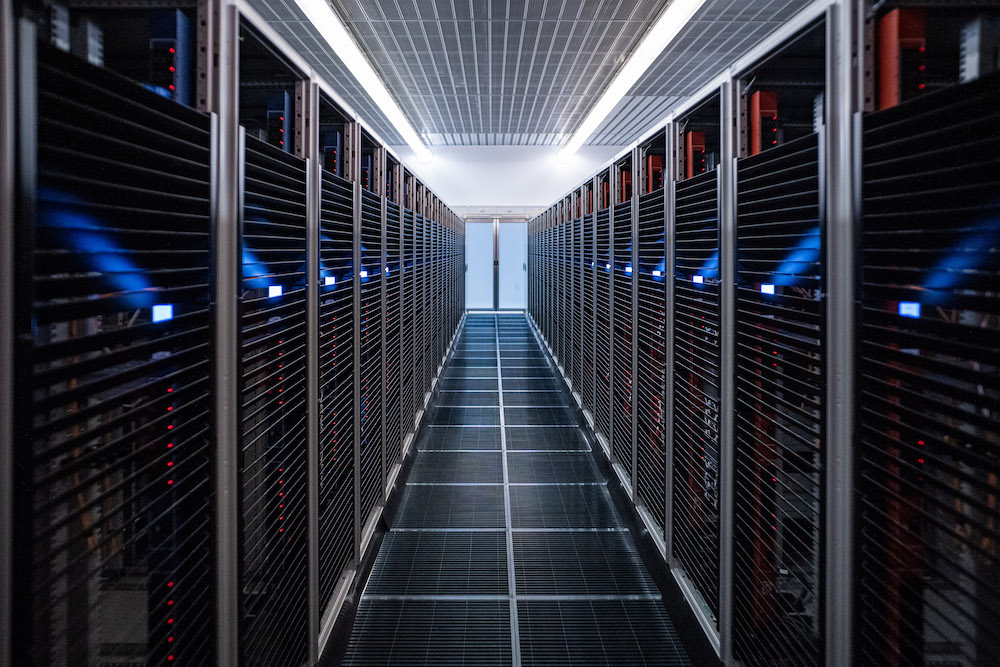
The deep learning (AI) model incorporated in this product was created and improved through tens of thousands of hours of extensive trial and error on Preferred Networks' (PFN) private supercomputers.
The system employs a "supervised learning" approach that leverages information from both good and defective product images and is designed to find minute defects reliably and accurately, providing robust support for automating visual inspection processes.
In addition, to meet strict cycle time requirements, it is designed and implemented to perform inference processing at high speed (from 10 milliseconds per image, depending on processing conditions) by using a GPU (Graphics Processing Unit) in combination.
Fewer training data requirements, no detailed annotation required
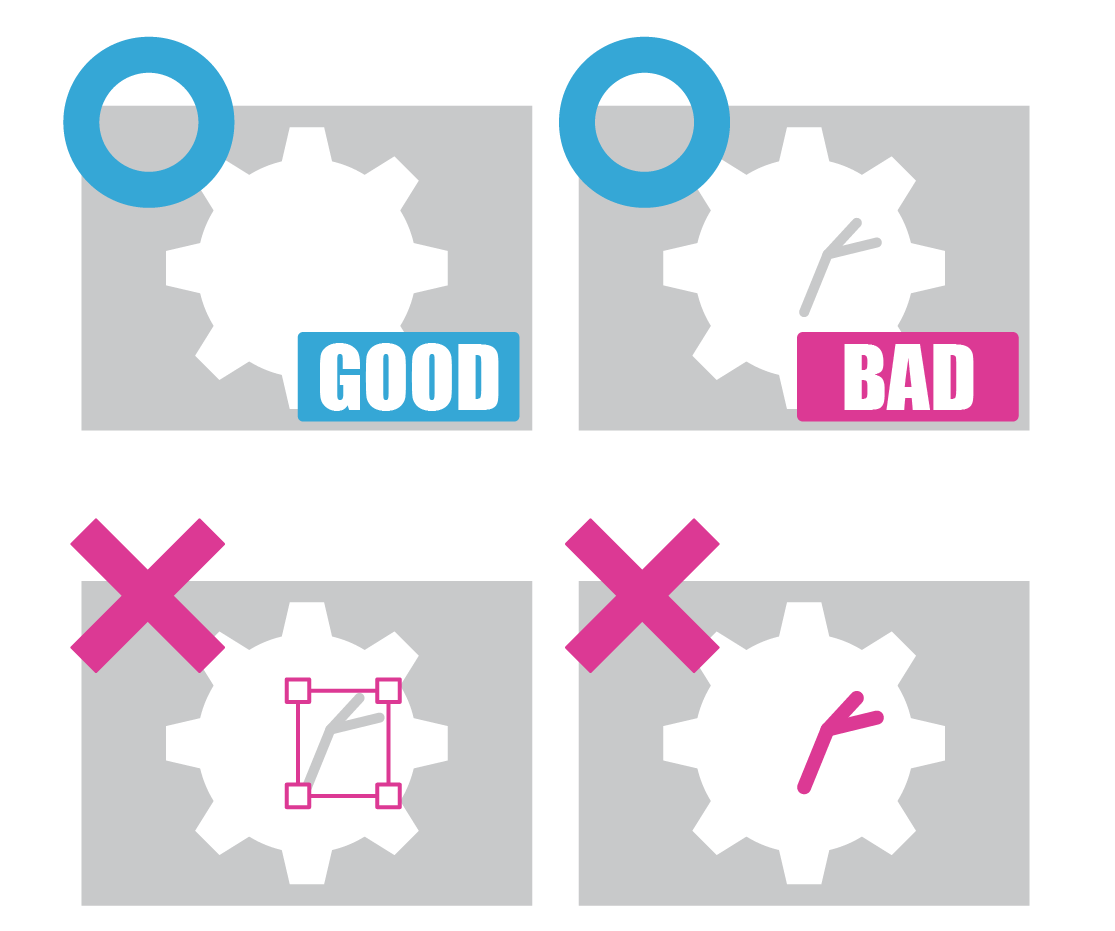
Compared to conventional machine learning methods that required tens of thousands of training data images, this product can be trained with significantly fewer training samples. There have been cases where zero detection misses and less than 1% over-detection were achieved with a small amount of data, using as 100 good samples and 20 defective samples.
You can train simply by classifying the images you provide as "good" or "bad(defective)" on an image-by-image basis. There is no need to list the defective parts in a detailed way (e.g., by drawing rectangles or filling in areas), which reduces the burden on the operator.
The learning algorithm automatically finds important image features for finding defects and optimizes parameters, making it possible to automate the inspection of objects that proved challenging with conventional methods.
Visualizing defective areas
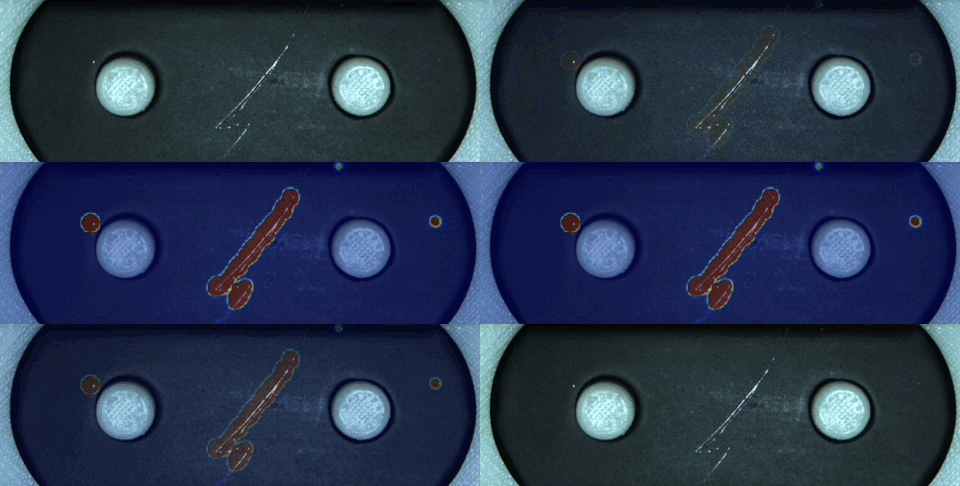
The detection model (trained model) of this product outputs a 2D defect score for each input image, where each element's value increases proportionally to the severity of the defect.
By visualizing this 2D score as a heatmap, you can easily identify which areas of the image the AI considers defective.
Intuitive GUI-based training and management interface
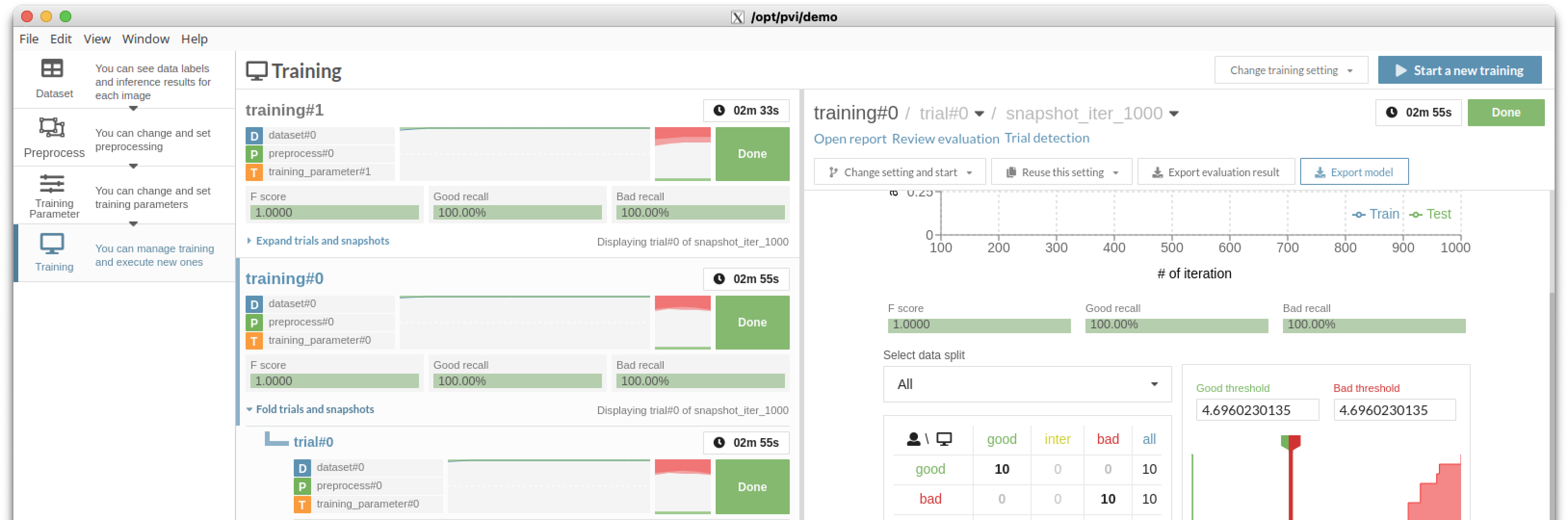
For building detection models, we provide a dedicated GUI-based "training software" for Windows and Linux. You can manage everything from image registration to model training, accuracy comparison, and report creation in one go, making it easy to perform training without requiring expertise in complex deep learning programming knowledge.
In addition, since it is a desktop application that runs on your local environment, there is no need to upload highly confidential images to the internet.
Flexible and rapid system implementation
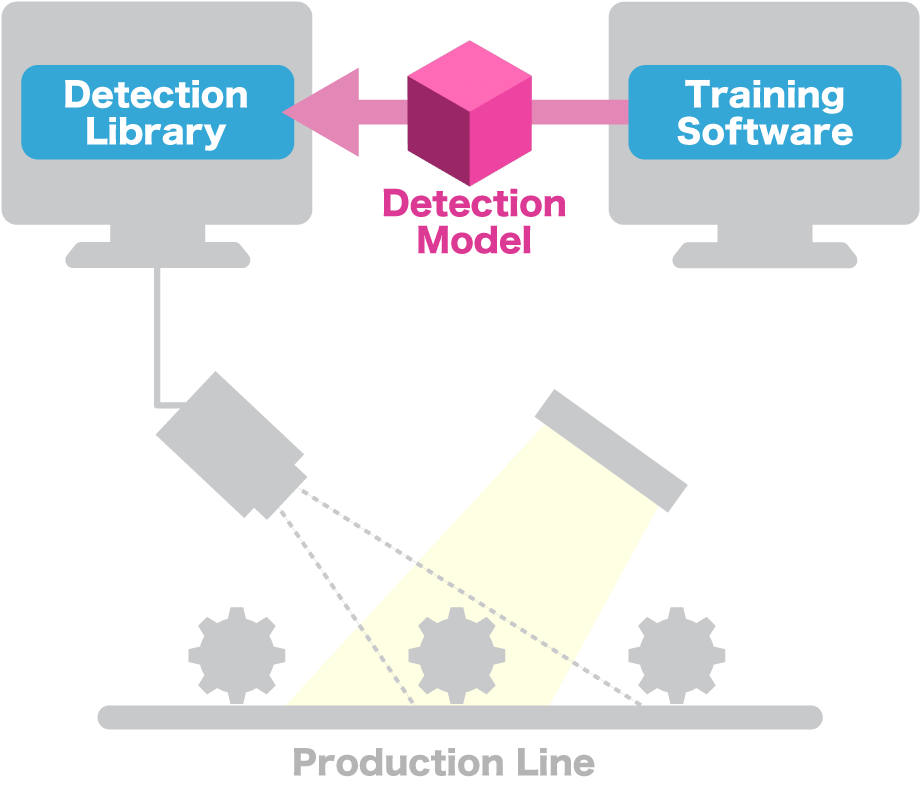
We provide the "detection library" necessary for building an inspection system for Windows and Linux. The trained model can be easily exported from the training software with just one click, then loaded into the detection library for use in inspections.
The detection library supports integrations with various programming languages such as C/C++, C#, and Python, and can be flexibly incorporated into the customer's inspection system. You can also immediately begin inspections using our partner companies' pre-integrated inspection applications, which come complete with the detection library.
Of course, the detection library works completely in the local environment, so there is no need for an internet connection.